Electrics | Plumbing | Carpentry | Kitchens | Bathrooms | Roofing
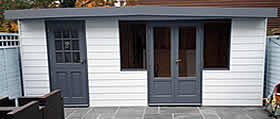
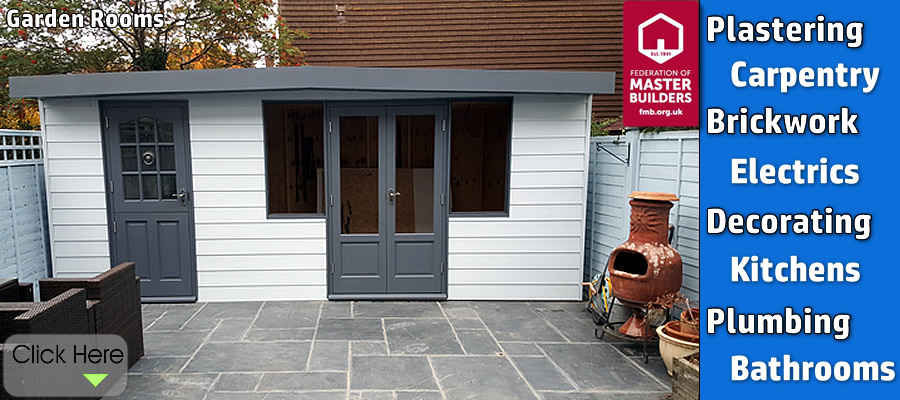
Renovations | Garden Rooms
1st Westminster Builders Ltd provide a full range of general building and electrical works from a small house repairs to building a garden room. We have over 30 years' experience in the building trade with lots of photographs and happy clients. We are a friendly builder, local and pleased to provide our experience to help you with your home improvements. Please look through our building and installation galleries to see our works completed & contact us so we can arrange a visit to provide a free estimate.
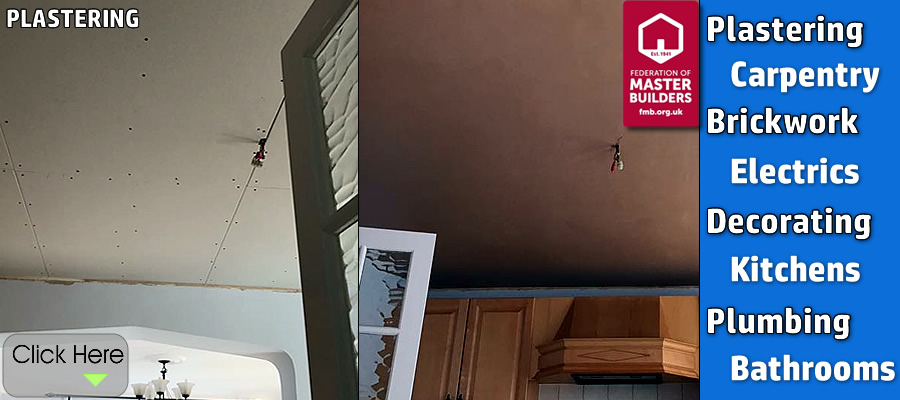
Brickwork | Plastering
1st Westminster Builders Ltd provides the complete small build process from minor projects to ones that can take in room conversions and en-suites. Our high standards of workmanship and reliability make us one of the best builders of this type in your vicinity. The photographic examples on this site demonstrate our expertise and worth. Please look through our building and installation galleries to see our works completed & contact us so we can arrange a visit to provide a free estimate and even advise about planning permission if required.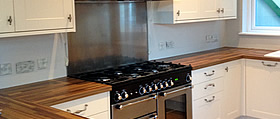
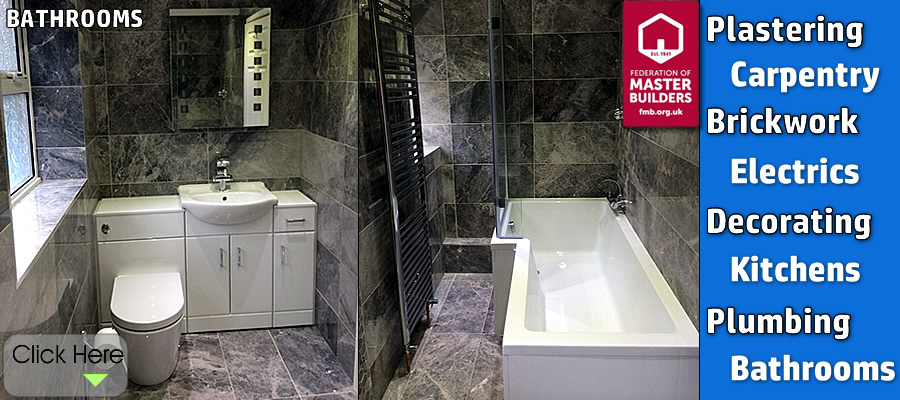
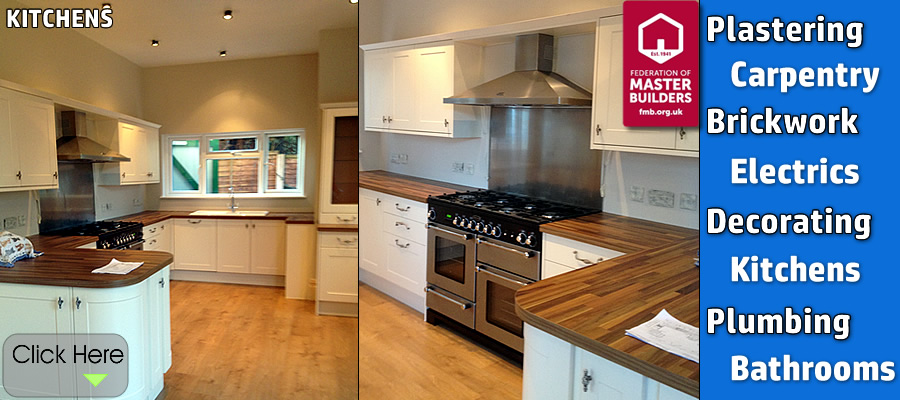
Kitchens | Bathrooms
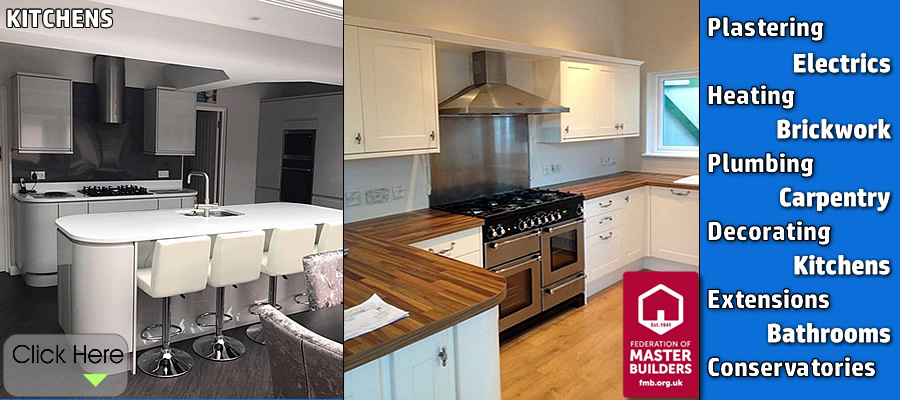
One of the most common home improvements for any growing family is for a new bathroom or kitchen to be installed. It is therefore important that you have trustworthy installers of high ability and competent in all trades. Clean, tidy, reliable and widely experienced in every aspect of carpentry, electrical and plumbing tasks that ensures the perfect fit. Please look through our building and installation galleries to see our works completed & contact us so we can arrange a visit to provide a free, no obligation, estimate.Federation Of Master Builders (FMB)
 Who is the Federation of Master Builders?
The Federation of Master Builders is the largest trade association in the UK construction industry, representing thousands of building companies in England, Scotland, Wales and Northern Ireland. Established in 1941 to protect the interests of small and medium-sized construction firms, the FMB is independent and non-profit making, lobbying for members' interests at both the national and local level. See our registration.
Master Builders can access a range of business support services to help grow, improve and protect their businesses. FMB members are professionally vetted and independently inspected on joining and can offer a warranty on their work. To gain inspiration for your building project, and to find a Master Builder, use our free Find a Builder service.
Let Us Build Better For You
When it comes to building quality, you deserve the best. That's why for over 75 years, the not-for-profit Federation of Master Builders has championed continuous improvement in building standards. 1st Westminster Builders Ltd is a proud member of this organisation and upholds the standards and traditions that we abide by.
The FMB goes beyond simple checks and ratings as we independently inspect and vet our members to provide credible proof of their quality.

TEL: 023 9275 4349 MOB: 07850 614 642
EMAIL: jason@1stwestminster.co.uk
www.1stwestminster.co.uk
Chichester - Hampshire - Petersfield - Portsmouth - Privacy